
Details
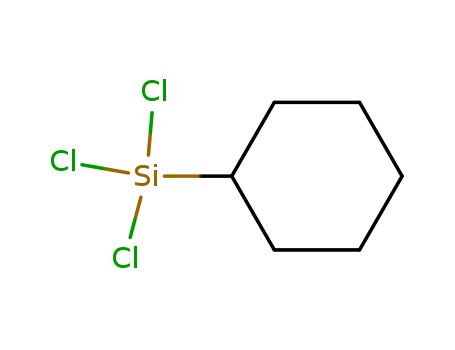
Factory supply Cyclohexyltrichlorosilane 98-12-4 with low price
- Molecular Formula: C6H11 Cl3 Si
- Molecular Weight: 217.598
- Appearance/Colour: CLEAR COLOURLESS LIQUID
- Vapor Pressure: 0.465mmHg at 25°C
- Refractive Index: n20/D 1.478(lit.)
- Boiling Point: 200.2°Cat760mmHg
- Flash Point: 87°C
- PSA: 0.00000
- Density: 1.2g/cm3
- LogP: 3.97600
Cyclohexyltrichlorosilane(Cas 98-12-4) Usage
|
Reactivity Profile |
Chlorosilanes, such as Cyclohexyltrichlorosilane, are compounds in which silicon is bonded to from one to four chlorine atoms with other bonds to hydrogen and/or alkyl groups. Chlorosilanes react with water, moist air, or steam to produce heat and toxic, corrosive fumes of hydrogen chloride. They may also produce flammable gaseous H2. They can serve as chlorination agents. Chlorosilanes react vigorously with both organic and inorganic acids and with bases to generate toxic or flammable gases. |
|
Health Hazard |
TOXIC; inhalation, ingestion or contact (skin, eyes) with vapors, dusts or substance may cause severe injury, burns or death. Contact with molten substance may cause severe burns to skin and eyes. Reaction with water or moist air will release toxic, corrosive or flammable gases. Reaction with water may generate much heat that will increase the concentration of fumes in the air. Fire will produce irritating, corrosive and/or toxic gases. Runoff from fire control or dilution water may be corrosive and/or toxic and cause pollution. |
|
Fire Hazard |
Combustible material: may burn but does not ignite readily. Substance will react with water (some violently) releasing flammable, toxic or corrosive gases and runoff. When heated, vapors may form explosive mixtures with air: indoors, outdoors and sewers explosion hazards. Most vapors are heavier than air. They will spread along ground and collect in low or confined areas (sewers, basements, tanks). Vapors may travel to source of ignition and flash back. Contact with metals may evolve flammable hydrogen gas. Containers may explode when heated or if contaminated with water. |
|
Safety Profile |
A highly toxic and corrosive material. When heated to decomposition it emits toxic fumes of Cl-. See also CHLOROSILANES. |
|
Potential Exposure |
Incompatible with oxidizers (chlorates, nitrates, peroxides, permanganates, perchlorates, chlorine, bromine, fluorine, etc.); contact may cause fires or explo- sions. Keep away from alkaline materials, strong bases, strong acids, oxoacids, epoxides. Chlorosilanes react vigor- ously with bases and both organic and inorganic acids gen- erating toxic and/or flammable gases. Chlorosilanes react with water, moist air, or steam to produce heat and toxic, corrosive fumes of hydrogen chloride. They may also pro- duce flammable gaseous hydrogen. Attacks metals in the presence of moisture. |
|
Shipping |
UN1763 Cyclohexyltrichlorosilane, Hazard class: 8; Labels: 8-Corrosive material. |
|
General Description |
A colorless to pale yellow liquid with a pungent odor. Flash point 185°F. Corrosive to metals and tissue. |
InChI:InChI=1/C6H11Cl3Si/c7-10(8,9)6-4-2-1-3-5-6/h6H,1-5H2
98-12-4 Relevant articles
Thermal reaction of cyclic alkadiene with trichlorosilane. Preparative and mechanistic aspects
Jung, Dong Eui,Han, Joon Soo,Yoo, Bok Ryul
, p. 40 - 44 (2013/03/13)
The thermal reactions of trichlorosilane...
Thermal hydrosilylation of olefin with hydrosilane. Preparative and mechanistic aspects
Jung, Dong Euy,Han, Joon Soo,Yoo, Bok Ryul
experimental part, p. 3687 - 3692 (2011/11/29)
The reaction of trichlorosilane (1a) at ...
Hydrosilylation of cyclohexene and allyl chloride with trichloro-, dichloro(methyl)-, and chlorodimethylsilanes in the presence of Pt(0) complexes
Belyakova,Chernyshev,Storozhenko,Knyazev,Turkel'taub,Parshina,Kisin
, p. 925 - 930 (2008/02/03)
Hydrosilylation of cyclohexene and allyl...
Hydrosilylation of cyclohexene, 1-methylcyclohexene, and isopropylidenecyclohexane
Yarosh,Zhilitskaya,Yarosh,Albanov,Voronkov
, p. 1895 - 1899 (2007/10/03)
Hydrosilylation of cyclohexene and isopr...
98-12-4 Process route
-
-
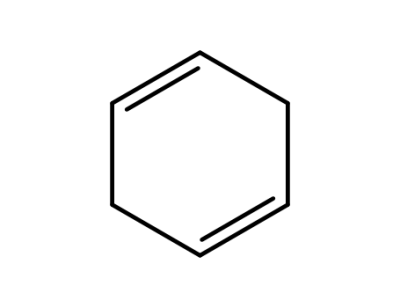
1165952-92-0
cyclohexa-1,4-diene

-
-
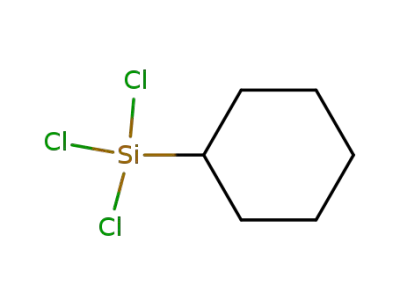
98-12-4
cyclohexyltrichlorosilane

-
-
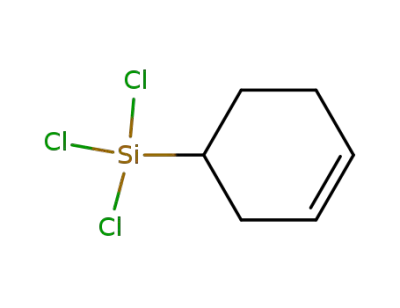
10137-69-6
trichloro(cyclohex-3-en-1-yl)silane
-
-
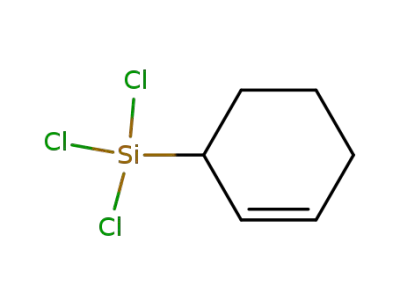
18139-74-7
(+/-)-3-trichlorosilylcyclohexene
-
-
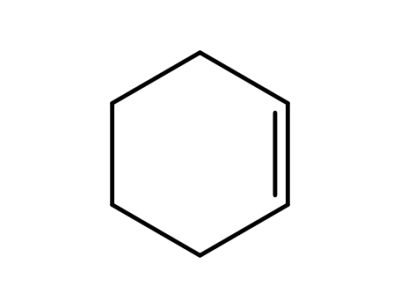
110-83-8
cyclohexene
-
-
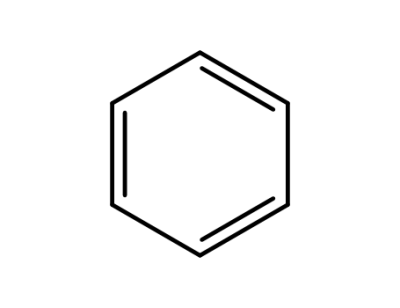
71-43-2,26181-88-4,54682-86-9,13967-78-7,174973-66-1
benzene
| Conditions | Yield |
|---|---|
|
With
trichlorosilane;
In
dodecane;
at 250 ℃;
for 4h;
Temperature;
Time;
Inert atmosphere;
|
31 %Chromat.
8 %Chromat. 19 %Chromat. 11 %Chromat. 5 %Chromat. |
-
-
110-83-8
cyclohexene
-
-
98-12-4
cyclohexyltrichlorosilane
| Conditions | Yield |
|---|---|
|
With
trichlorosilane;
at 250 ℃;
for 6h;
Inert atmosphere;
|
94%
|
|
With
dihydrogen hexachloroplatinate; trichlorosilane;
for 240h;
Heating;
|
92%
|
|
With
trichlorosilane;
dihydrogen hexachloroplatinate;
In
isopropyl alcohol;
at 120 - 180 ℃;
|
51%
|
|
With
diacetyl peroxide; trichlorosilane;
|
|
|
With
trichlorosilane;
at 280 - 325 ℃;
|
|
|
With
trichlorosilane;
Irradiation.unter Einwirkung von γ-Strahlen;
|
|
|
With
dihydrogen hexachloroplatinate; trichlorosilane;
|
|
|
With
trichlorosilane;
|
|
|
With
trichlorosilane;
hexavinyldisiloxane-based platinum calalyst;
at 116 ℃;
|
98-12-4 Upstream products
-
110-82-7
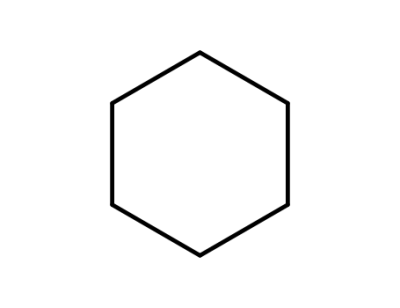
cyclohexane
-
931-50-0
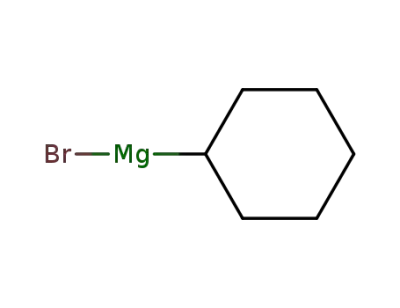
cyclohexylmagnesium bromide
-
110-83-8
cyclohexene
-
931-51-1
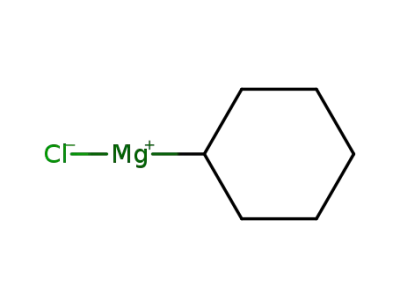
cyclohexylmagnesiumchloride
98-12-4 Downstream products
-
17865-54-2
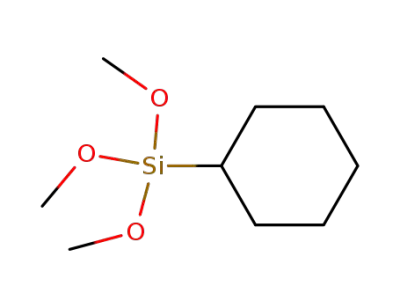
cyclohexyl trimethoxysilane
-
18105-49-2
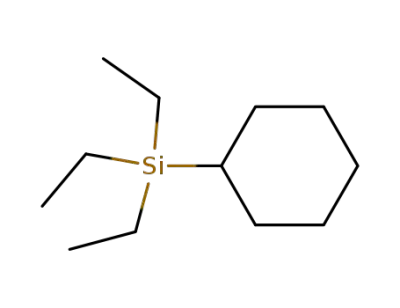
triethyl(cyclohexyl)silane
-
18023-77-3
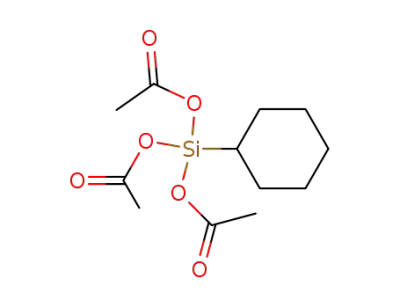
triacetoxy-cyclohexyl-silane
-
104116-65-6
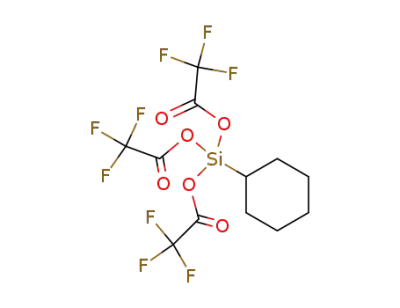
cyclohexyl-tris-trifluoroacetoxy-silane
Related Products
-

-
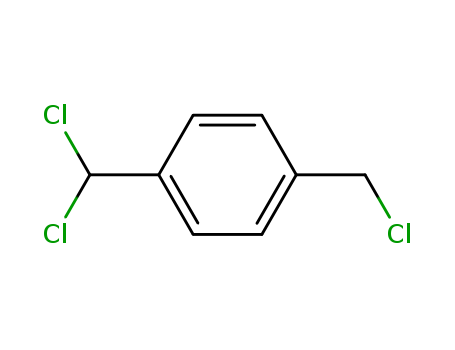
 1-(chloromethyl)-4-(dichloromethyl)benzene
CAS:7398-44-9
-
